Austin is a city that has embraced the ride-sharing revolution with open arms. With the proliferation of ride-sharing services like Uber and Lyft, getting around Austin has never been easier. However, as with any new technology, there are risks involved. For example, if you are involved in an accident while using Uber or Lyft, who is responsible? Which company is easier to work with after an accident? In this post, we will compare Uber and Lyft in Austin, TX, and discuss the pros and cons of using each service, particularly in the event of an accident. Uber vs. Lyft in… Read More
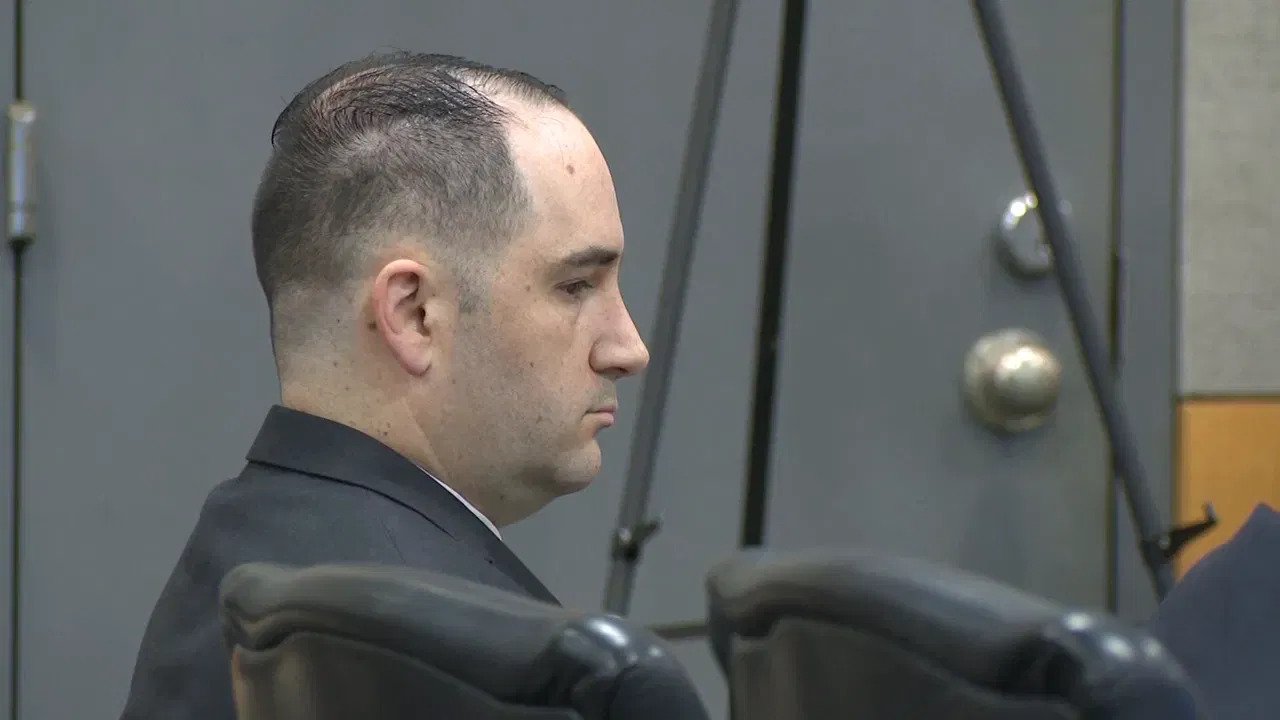
The case against Daniel Perry, the U.S. Army sergeant indicted for murder, deadly conduct, and aggravated assault after killing Garrett Foster at a protest in Downtown Austin in 2020, is now over. The jury spent 17 hours deliberating after hearing testimony from dozens of witnesses and closing statements from the prosecution and defense teams. Perry was found guilty of murder for his actions related to Foster’s death. However, the jury found him not guilty of aggravated assault. Deputies immediately handcuffed and took Perry into custody after the court rendered its verdict. According to trial evidence, on July 25, 2020, Perry… Read More

If you were hurt in an accident, you might be entitled to seek damages. Damages are monetary compensation awarded to an injured party to cover losses resulting from an accident. There are two types of damages: actual damages and punitive damages. Here, we will explain the difference between actual and punitive damages. Actual Damages Actual damages are also sometimes referred to as compensatory damages. These are damages that compensate the victim for the actual losses they have suffered as a result of the defendant’s actions. Actual damages can be further divided into two categories:… Read More

Car accidents can be devastating and often result in injuries, damages, and losses. When an accident occurs, the at-fault driver’s insurance company will usually cover the cost of damages and injuries up to their policy limit. However, in some cases, the accident cost may exceed the insurance policy limit. This is where things can get complicated, and it’s essential to understand your options if you find yourself in this situation. In this post, we’ll discuss what happens when a car accident claim exceeds insurance and what steps you can take to protect your rights and… Read More

Have you been involved in an accident that caused you injury? You may have already filed a claim with your insurance company. If so, you will likely have to negotiate a settlement with an insurance claims adjuster. The process can be overwhelming and stressful, but with the right preparation and knowledge, you can increase your chances of receiving a fair settlement. In this article, we’ll provide you with some tips on how to negotiate a personal injury settlement with an insurance claims adjuster. Know Your Claim Inside and Out The first step in negotiating a… Read More

As social media becomes an integral part of our daily lives, it also becomes a crucial factor in legal cases. People use social media platforms to share their experiences, emotions, and opinions with friends and followers. However, posting on social media after an accident can significantly affect your case, and not in a positive way. Here, we will explore how posting on social media after a car accident or other accidents can damage your case and what you should do instead. What You Need to Understand about Posting on Social Media Firstly, it is important… Read More

As a client of a law firm, it’s important to have an understanding of how attorneys typically charge for their services, especially when it comes to personal injury settlements. Settlements are an important part of the legal process, and they are a way for both parties to reach a mutually beneficial agreement without having to go to trial. However, many people wonder how much their settlement will go towards attorney fees. In this blog post, we will discuss how much lawyers usually take from settlements and what factors determine their fees. Contingency Fees One of… Read More

Have you been unable to reach a personal injury settlement agreement? If so, meditation might be the right option for you. Mediation is a process of resolving disputes with the assistance of an impartial third party, known as a mediator. Mediation aims to facilitate communication, identify the interests and needs of the parties, and reach a mutually acceptable solution. Here we will list some things not to say during mediation and how to find success in your legal meetings. Benefits of Mediation Mediation is a popular form of dispute resolution because it is:… Read More

A contingency fee is one type of payment arrangement a lawyer may use. This type of fee arrangement is based on the outcome of your case, meaning if you don’t collect any compensation, you don’t pay your injury attorney. Under this arrangement, the attorney’s fees will be a set percentage of the money you receive in the case. Contingency fees are common in personal injury cases because the injured party may not have the financial resources to pay upfront legal fees. What Type of Cases Use Contingency Fees? It is not a… Read More

Personal injury lawsuits can be highly complex, and the process of receiving a settlement can be confusing. A personal injury settlement is an agreement between you and the other parties that resolves your legal dispute. Settlements are a common way of resolving cases. They can save parties both time and money. Here are how personal injury settlements are paid out. How Personal Injury Settlements Work If someone else’s wrongdoing caused you injury, you have the right to seek compensation for your losses. To seek that compensation, you must usually follow the following steps: Filing an insurance… Read More